

Nurturing the roots so the whole family can bloom.
Gentle support for the nervous system, empowering children to thrive from birth to seventeen.

What to Expect During a Session?
3 months - 2 years
Welcome. I’m glad you’re here. As we get to know one another and have an initial visit and intake, we will first orient to the space, each other, and what a session might look like. From there, I may ask a few questions about your pregnancy, birth process, and your child's known symptoms and habits. Through observation, I will make visual assessments on symmetry, mobility, and any tension patterns that may be present. First and foremost your intake session is about establishing trust and safety. This work is child-led, meaning I follow your child’s cues, clarity, and hesitation with respect. I move at the speed of trust which insures health is guiding the session.
The hands-on portion will take place either in a parents lap, on the floor, or on a comfortable massage table—usually a combination of the three. My touch is steady and light at 5 grams of pressure the weight of a nickle. If your child needs to feed, use the restroom, move around or play during a session—these natural movements are very helpful as an assessment tool. In addition, it signals a safe environment for you and your child. Often babies and toddlers need breaks or a diaper change, this is part of the flow of the session and we address needs organically as they arise. All children respond uniquely to treatment, however I find most infants feel deeply relaxed or calmly alert while the session takes place. Occasionally babies can be fussy and upset depending on their level of tension and I never push babies past their limits of comfort.
I often recommend a 60 minute initial session and then booking two or three 45 minute follow up sessions. From there, sessions can be spaced out and scheduled as a 30 minute tune-up or a drop in on Monday’s Community Clinic. To learn about newborn services, birth to two months, select Pregnancy + Postpartum to schedule a visit.
Children & Adolescents
Ages 3-17
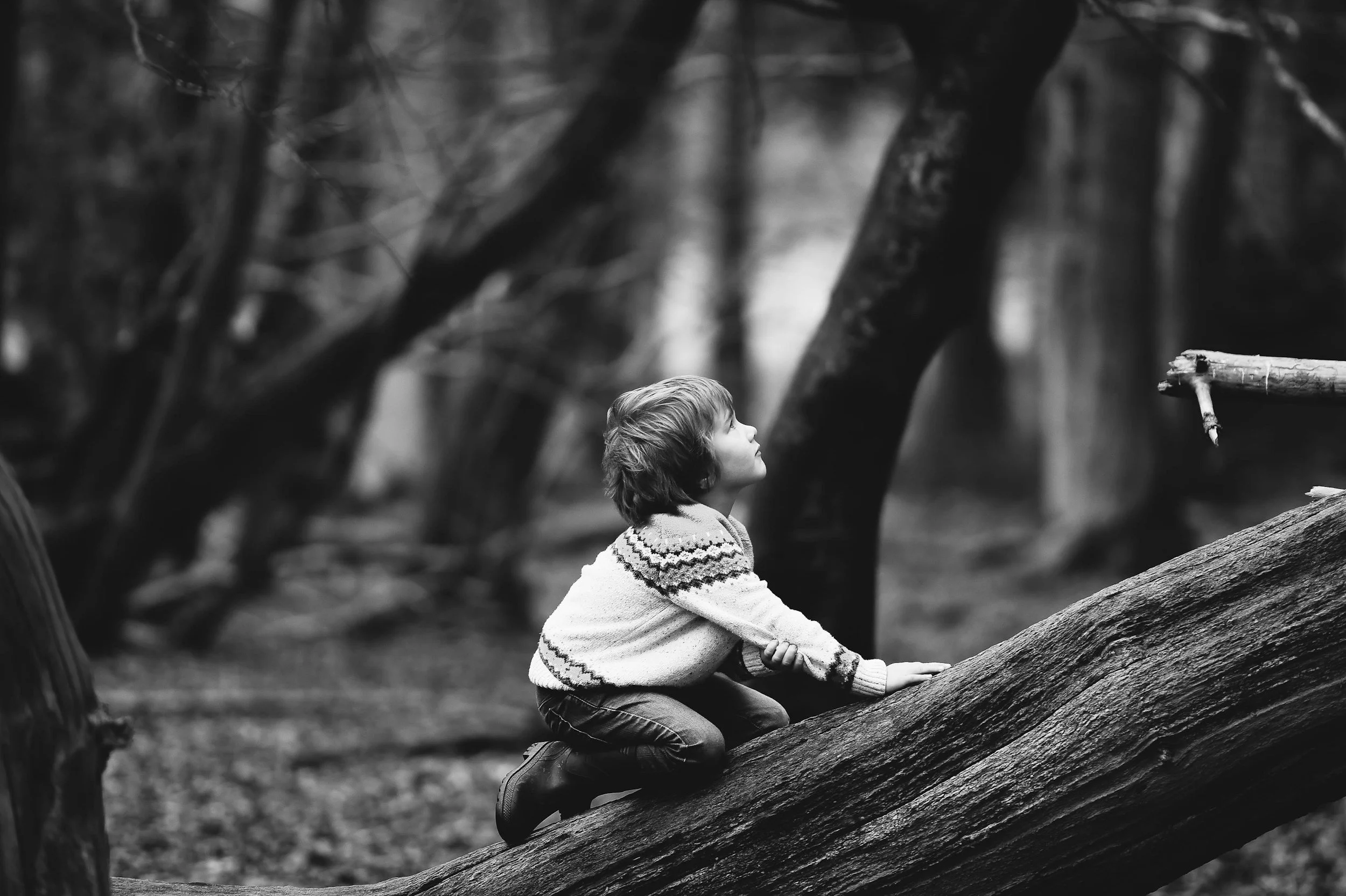
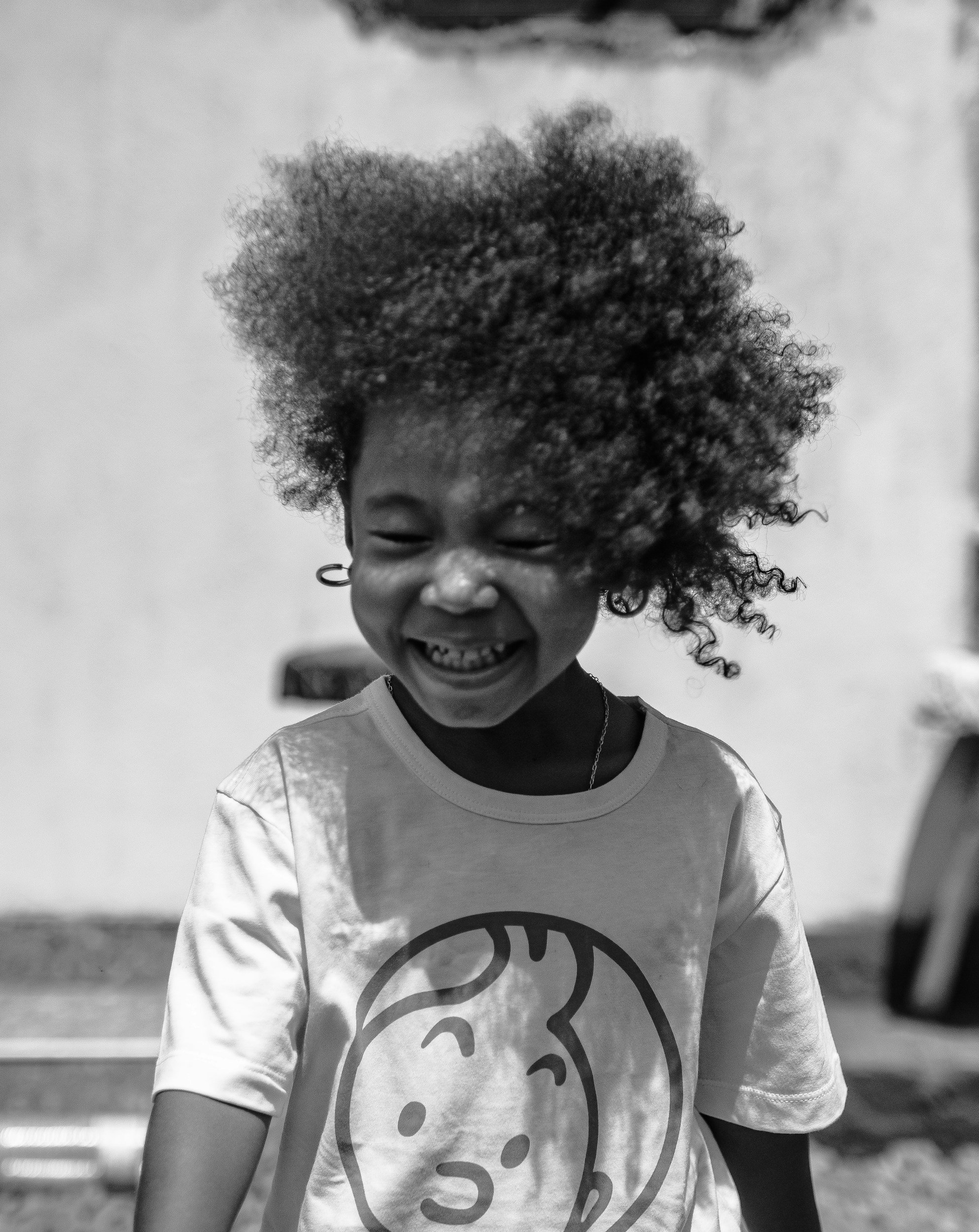
Aligning the systems that help them grow, learn, and thrive at every age. All sessions with children and adolescents are client-led, meaning each treatment is tailored uniquely to the individual needs and disposition of that child or youth. I most commonly treat children while they are sitting or lying on the table however on occasion you can find me following an active kiddo around the room or even treating underneath the massage table. I treat however a child feels most safe, for it is their sense of safety that is a precursor to healing and growing capacity for life while fostering a resilient nervous system. As needed, I offer an array of toys and fidgets that allow young minds to be engaged while staying present for a craniosacral session. It is common for children to feel relaxed and even a little sleepy as their nervous system begins to down regulate and enter a parasympathetic state where they can rest and digest.
I often recommend a 60 minute initial session and then booking two or three 45 minute follow up sessions. From there, sessions can be spaced out and scheduled as a 30 minute tune-up or a drop in on Monday’s Community Clinic.


Restoring harmony within to cultivate capacity for a changing world from birth to adolescence.
Craniosacral Therapy can be supportive for a wide range of conditions and Autonomic Nervous System (ANS) functions:
Accidents & Physical Trauma
Atlas / Occiput Compression
ADD/ADHD
Autism
Behavioral Problems
Birth Trauma
Breastfeeding Challenges
Cerebral Palsy
Colic
Developmental Delays
Gastrointestinal Disturbances
General tension and fussiness
Ear Infections
Eustachian Tube Problems
Feeding / Suckling & Swallowing Difficulties
Gastrointestinal Disturbances
General tension and fussiness
Headaches and Migraines
Head Banging / Pulling of the Hair
Hydrocephalus
Inconsolable Crying
Occlusion & Dental Problems
Orthopedic Conditions
Plagiocephaly
Scoliosis
Sinus & Breathing Problems
Sleep Disorders
Spasticity
Tongue and Lip Ties
Torticollis
Traumatic Brain Injury
Seizures